Gamification programs often launch with a lot of energy. New missions, rankings, and challenges spark curiosity and motivation. But long-term motivation doesn’t come from points or leaderboards alone. The decisive factor is movement in the system. That’s exactly why successful gamification programs like Darwin’s Game work with regular activations, surprises, and new challenges.
Why activations matter so much
Several studies on gamification and online communities show a clear effect: when new events or special campaigns are launched within an ongoing program, user activity rises significantly. Research shows that such activations can increase engagement rates by 30 to 40 percent. The reason is simple: new impulses create attention. Attention creates activity. And activity brings momentum into a system.
Gamification thrives on something new happening again and again.
New missions, unlocked levels, special events, or time-limited challenges keep participants coming back regularly.
The Easter promotion: “Drei’s Got Rabbit Talent”
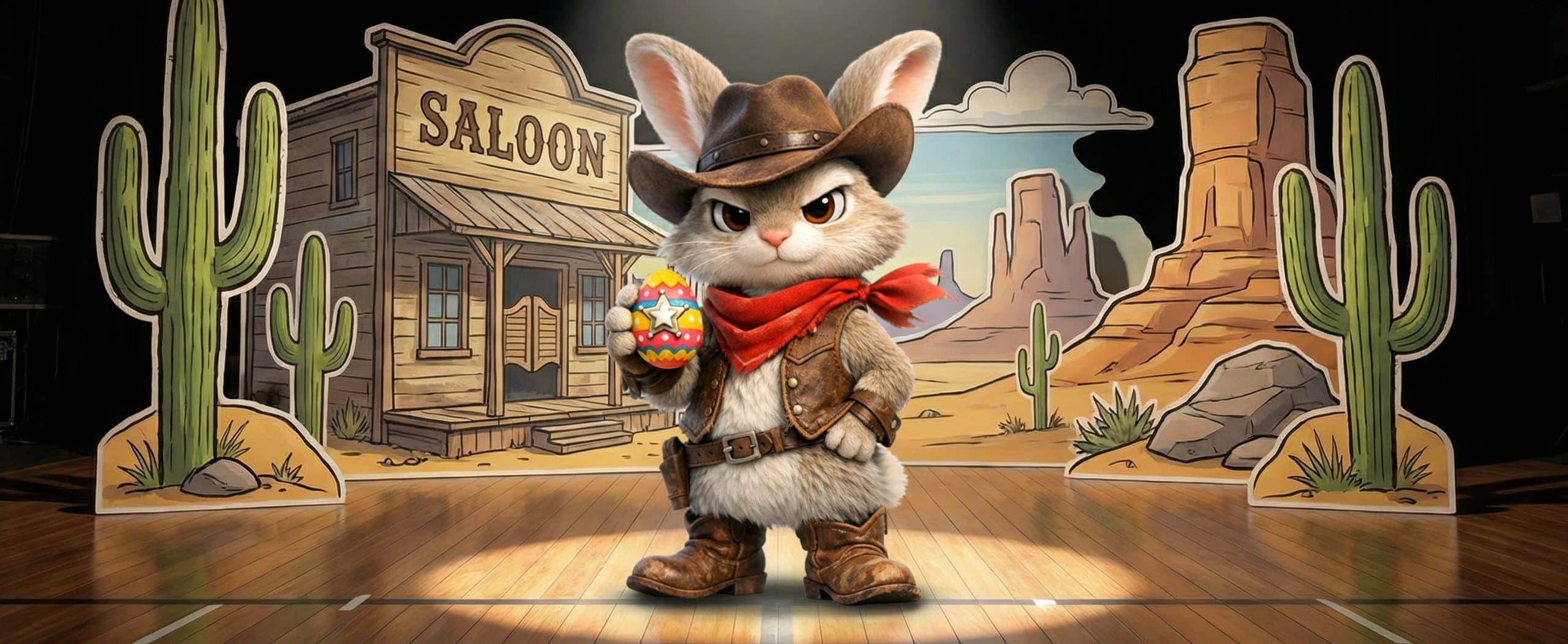
One example of such an activation was our Easter promotion in the Drei Sales Champion program. Under the motto “Drei’s Got Rabbit Talent”, we created a small casting show in true Darwin’s Game style. Eight digital super rabbits each presented themselves in a short video and showed off their talent. The videos were generated entirely with AI tools, resulting in a surprisingly entertaining mini show.
The mechanics behind the campaign
But the real strength wasn’t just the humor of the videos – it was the mechanics behind them. Every day, a new super rabbit video appeared. Each video was available for one single day only. And each video contained a hidden number. Anyone who had watched all eight videos ended up with an 8-digit code. That code was the key to becoming a jury member. Once the code was entered, participants could vote for their favorite super rabbit. Prizes were then raffled among all participants. This mechanic combined several classic gamification elements at once: curiosity, daily return to the system, collecting information, and a final moment of decision.
Gamification thrives on surprise
A core principle of successful gamification is surprise. When users don’t know exactly what’s coming next, tension builds. This effect is well known from video games. New levels, hidden content, or unexpected rewards keep players engaged. The same mechanism works brilliantly in learning and sales programs. Regular activations, special campaigns, or small events keep creating fresh points of attention within the program.
Making progress visible
A second key element is progress. People stay especially motivated when they feel they are developing. That’s why many gamification programs work with levels, unlockable content, or new challenges. When participants feel they are advancing in the system, it creates strong intrinsic motivation. That’s exactly why programs like Darwin’s Game combine several mechanics at once: progress, competition, surprise, and social interaction.
The effect for sales teams
For sales organizations, this has a clear advantage. Activations bring movement into the system. Movement creates engagement. And engagement often leads to employees working more intensively with content, products, and sales arguments. The result is a dynamic that goes far beyond mere incentives. Gamification becomes not just a motivation tool, but a system that connects activity, learning, and selling.
Or to put it another way:
Sometimes all it takes is one super rabbit to get a whole program moving again.